Buying your first greenhouse is exciting. It’s the start of longer growing seasons, earlier seed starting, and having a space that quickly becomes part garden, part daily routine.
But after a season or two, some greenhouse owners think: “I wish I had thought about that earlier.”
At Charley’s Greenhouse & Garden Supply, we’ve found that most first-time greenhouse regrets are not about gardening itself. They usually come down to planning, ventilation, layout, and setting a good plan from the beginning.
The good news is that most of these frustrations are completely avoidable once you know what to plan for and some can be fixed later as well.
The Most Common First-Time Greenhouse Regrets at a Glance
Many experienced greenhouse owners say they wish they had:
- Bought a slightly larger greenhouse
- Planned ventilation earlier
- Understood that unheated greenhouses cool down quickly at night
- Thought more about workflow and interior layout
- Planned utilities like water and power ahead of time
- Paid closer attention to winter light levels
- Looked beyond just the upfront greenhouse price
If you are still planning your greenhouse, thinking through these topics now can make the entire experience smoother and more enjoyable later on.
Why Do Greenhouse Owners Regret Buying Too Small?
Most first-time greenhouse owners underestimate how quickly a greenhouse fills up.
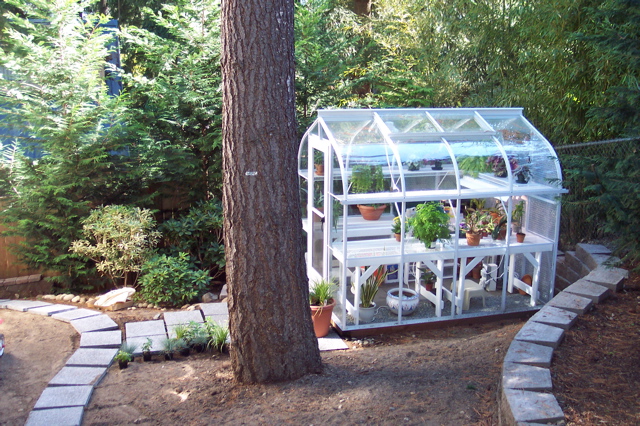
An 8×8 greenhouse can sound spacious at first, especially when it is empty. But once benches, seed trays, pots, shelves, watering equipment, and pathways are added, the usable growing space starts shrinking quickly.
We regularly hear from growers who are surprised by how much room everyday greenhouse growing actually requires once a full season gets underway.
Many greenhouse owners also discover that their gardening goals expand over time. A greenhouse that originally felt perfect for starting a few tomato plants can eventually become home to seed starting, overwintering plants, propagation projects, herbs, hanging baskets, and storage for gardening supplies.
How much extra greenhouse space should beginners plan for?
Many experienced growers recommend planning a little beyond your immediate needs. A greenhouse that feels “just right” on paper can feel crowded surprisingly quickly once plants mature and growing habits evolve.
That does not mean everyone needs the largest greenhouse possible. But a little extra room often creates a more comfortable and flexible growing experience long term.
At Charley’s, one tip we often share with growers is to think vertically as well as horizontally. Features like the Interior Bolt Track System available in our Cross Country Greenhouses allow you to hang plants, shelving, baskets, and accessories throughout the greenhouse to take advantage of overhead growing space that might otherwise go unused.
Because the track system runs throughout the greenhouse frame, it gives growers a flexible way to optimize nearly every square inch of the greenhouse as their needs evolve over time. Each roof bar can also support up to 50 pounds per bar, making it a practical solution for hanging baskets, shelving, and seasonal growing setups.
Helpful deeper dives:
Do Greenhouses Need More Ventilation Than Most Beginners Expect?
Yes. Ventilation is one of the most underestimated parts of greenhouse planning.
Many first-time greenhouse owners spend a lot of time thinking about winter growing and heating. Then the first warm spring afternoon arrives and the greenhouse temperature climbs much faster than expected.
One thing we consistently see at Charley’s Greenhouse is that overheating often becomes a bigger challenge than cold weather for beginner growers.
Poor airflow can create a surprising number of problems inside a greenhouse. Plants can become heat stressed quickly, humidity builds up faster than expected, and fungal issues become much harder to manage during warmer weather. Even healthy plants can begin struggling if hot air has nowhere to escape.
How hot can a greenhouse get without ventilation?
Even during mild spring weather, greenhouse temperatures can rise dramatically in direct sunlight without proper airflow.
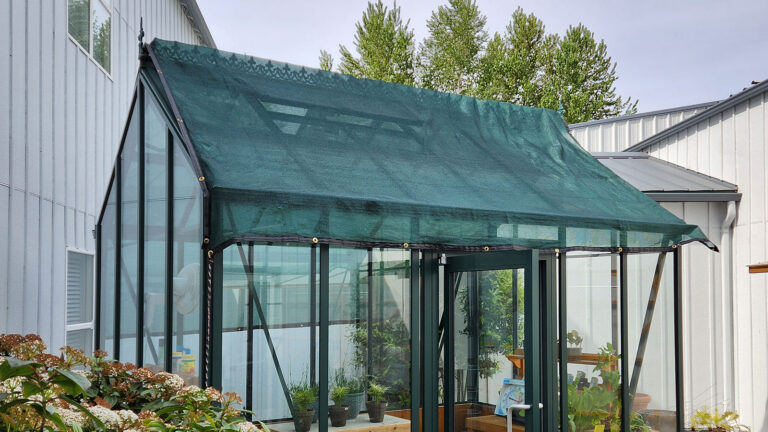
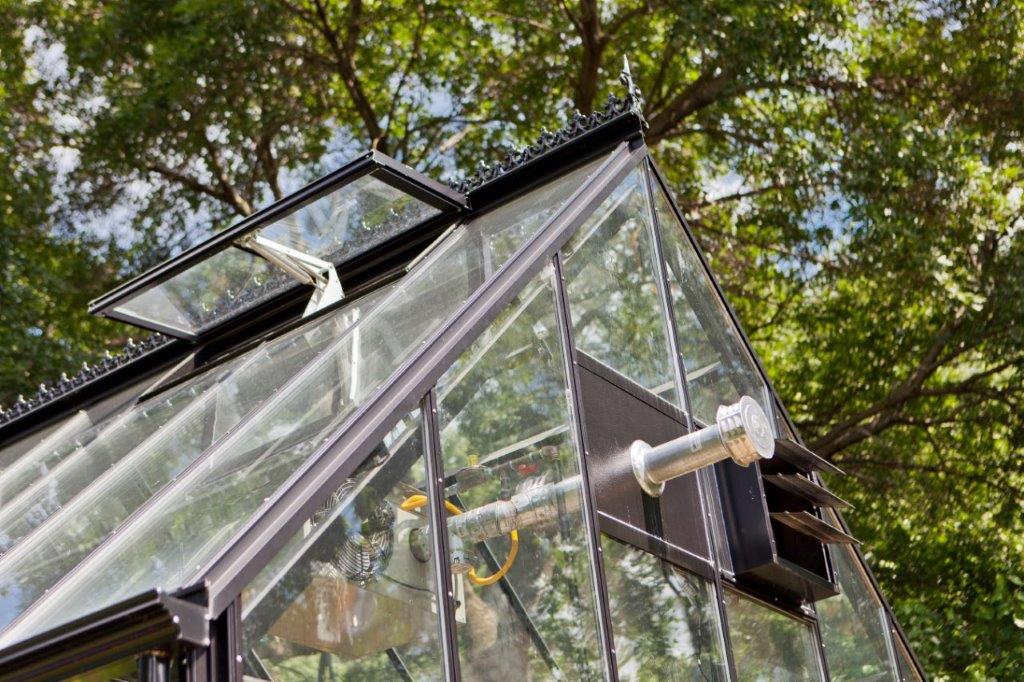
That’s why ventilation planning matters so much early on. A healthy greenhouse environment usually combines several elements working together, including roof vents, exhaust fans, intake shutters, circulation fans, and sometimes shade cloth during the hottest months.
The earlier ventilation is planned into the greenhouse setup, the easier the greenhouse becomes to manage throughout the growing season. The good news is that ventilation solutions can usually be tailored to both your climate and your growing style, whether that means simple passive roof venting or a more advanced fan and shutter setup for warmer conditions.
Helpful deeper dives:
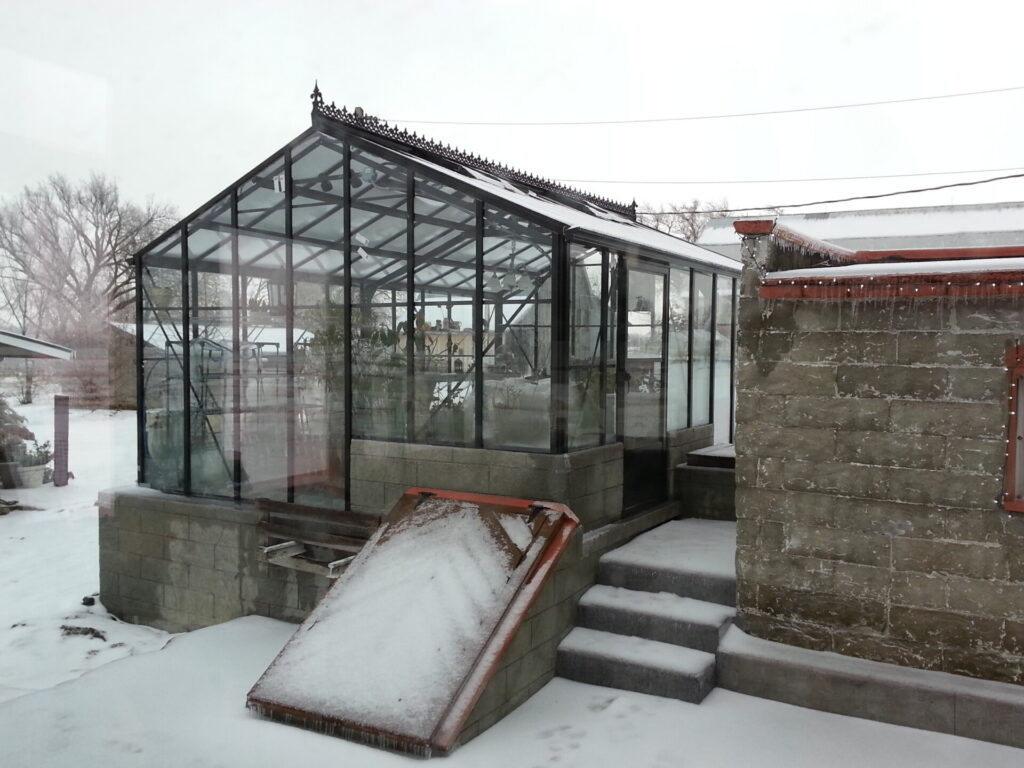
Do Greenhouses Stay Warm at Night Without Heat?
Most unheated greenhouses lose heat quickly overnight once the sun goes down, especially during winter and cloudy weather.
This is one of the most common surprises for first-time greenhouse owners.
Greenhouses collect solar heat very effectively during the day. But without insulation or supplemental heat, nighttime temperatures inside the greenhouse often move much closer to the outside temperature than beginners expect.
An unheated greenhouse can still dramatically improve growing conditions by helping extend the season, protecting plants from wind and rain, and buffering against light frost. But factors like climate, glazing material, insulation, cloud cover, and wind exposure all play a major role in overnight temperature retention.
At Charley’s, one simple tip we often share with greenhouse growers is to think about adding thermal mass inside the greenhouse. Black water barrels are a popular option because they absorb heat from the sun during the day and slowly release that stored warmth back into the greenhouse overnight. While they will not replace a greenhouse heater in colder climates, they can help moderate temperature swings and create a more stable growing environment.
Is an unheated greenhouse enough for winter growing?
For many gardeners, yes. But it depends heavily on your climate, the crops you want to grow, and your expectations for winter production.
In colder climates, many growers use unheated greenhouses primarily for cold-hardy greens, seed starting, plant protection, and overwintering certain crops rather than trying to maintain tropical growing conditions all winter long.
Helpful deeper dives:
- Glass vs. Polycarbonate Greenhouse – Which Glazing is Better?
- How to Choose a Greenhouse Heater
- Greenhouse Climate Guide
- Best Greenhouse Temperature Control Techniques to Help Your Plants Thrive All-Year Round
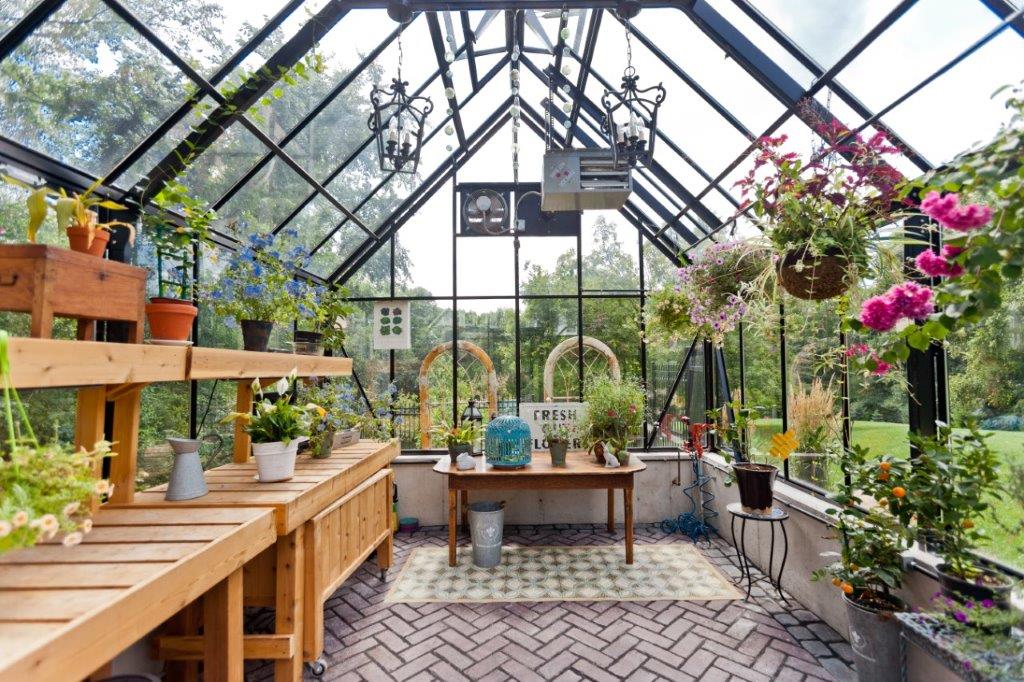
Why Do Many Greenhouse Owners Wish They Planned Their Layout Earlier?
Many greenhouse owners spend weeks planning the structure itself, but very little time planning how they will actually move and work inside the greenhouse every day.
This becomes noticeable quickly once planting season begins.
Over the years, we’ve found that greenhouse comfort and workflow often become just as important as total growing space after the first season.
Common frustrations usually come from small layout decisions that did not seem important at first. Walkways can end up too narrow, watering becomes awkward, work surfaces feel limited, and tools or supplies slowly start taking over valuable growing space.
What makes a greenhouse easier to work in?
Simple planning decisions can make daily greenhouse use much more enjoyable. Comfortable aisle widths, organized storage, dedicated work surfaces, smart bench placement, and easy water access all help a greenhouse feel more functional and less cramped.
Vertical growing space also tends to become more important over time, especially in smaller greenhouses.
A greenhouse should feel comfortable to spend time in, not frustrating to navigate once plants are fully grown.
Helpful deeper dives:
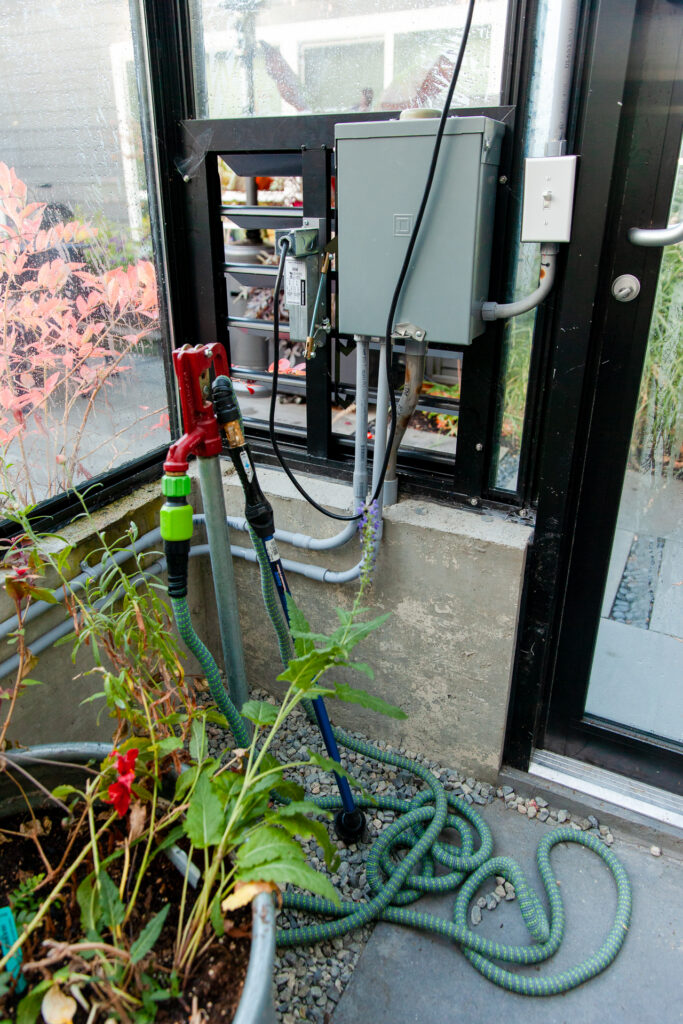
Why Do So Many Greenhouse Owners Forget About Utilities?
Utilities are easy to overlook during the excitement of greenhouse planning.
Then reality sets in. Hoses get dragged across the yard, extension cords become semi-permanent solutions, and watering or drainage starts becoming more inconvenient than expected.
One thing we often remind new greenhouse owners at Charley’s is that utility planning may not be exciting, but it has a huge impact on how enjoyable the greenhouse feels day to day.
What utilities should you plan for in a greenhouse?
Before installation, it helps to think through practical details like water access, electrical access, drainage, lighting, fan placement, and future heating needs.
These decisions may not feel very exciting early on, but they often have a larger impact on everyday greenhouse enjoyment than people expect.
Even simple upgrades like convenient hose routing or accessible outlets can make a greenhouse feel much easier to use throughout the year.
If you are still planning your greenhouse setup, this is also a great time to connect with the team at Charley’s. We are always happy to talk through utility considerations early in the planning process, especially before electrical lines, foundations, drainage, or irrigation systems are finalized.
We also regularly work alongside homeowners’ contractors, electricians, landscape designers, and builders to help make sure greenhouse utilities and site planning support strong long-term greenhouse performance.
Helpful deeper dives:
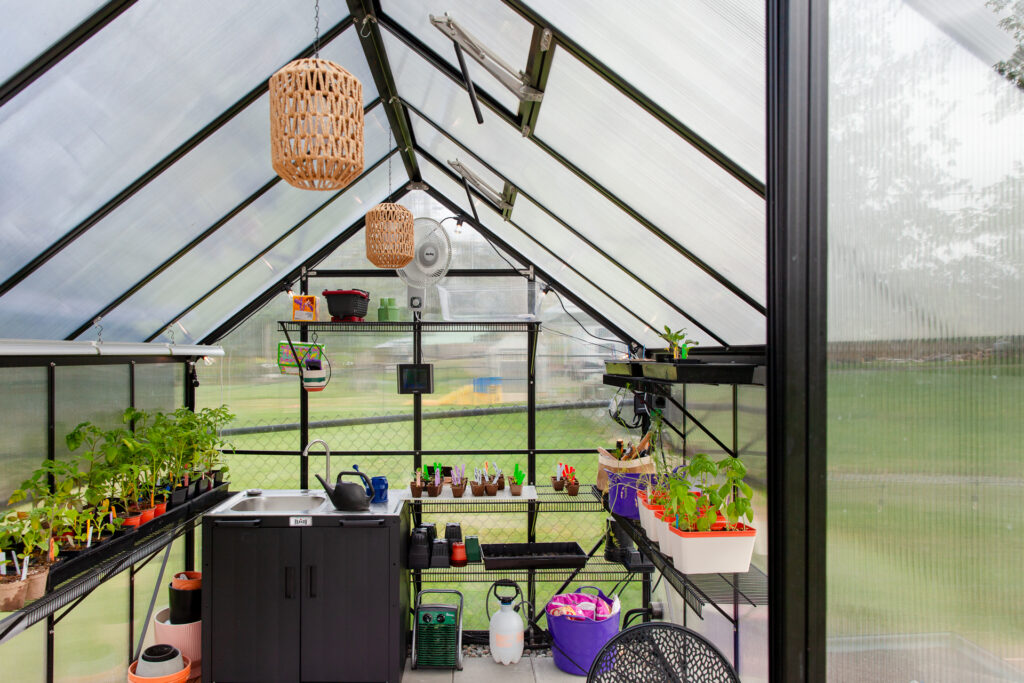
What Greenhouse Accessories Do Beginners Most Commonly Overlook?
Many first-time greenhouse owners focus almost entirely on the greenhouse structure itself while overlooking the tools and systems that make greenhouse growing easier day to day.
We’ve found that smaller upgrades often make some of the biggest differences in long-term greenhouse enjoyment.
What greenhouse accessories are actually necessary?
That depends on your climate and growing goals. But many greenhouse owners quickly realize how helpful benches, thermometers, weather stations, automatic vent openers, irrigation systems, circulation fans, and shade cloth can be once the greenhouse is in regular use.
These additions help transform a greenhouse from a simple structure into a more comfortable and manageable growing environment.
Many growers start with just a few essentials and gradually add accessories over time as they discover what would make their greenhouse easier, more comfortable, and more enjoyable to use.
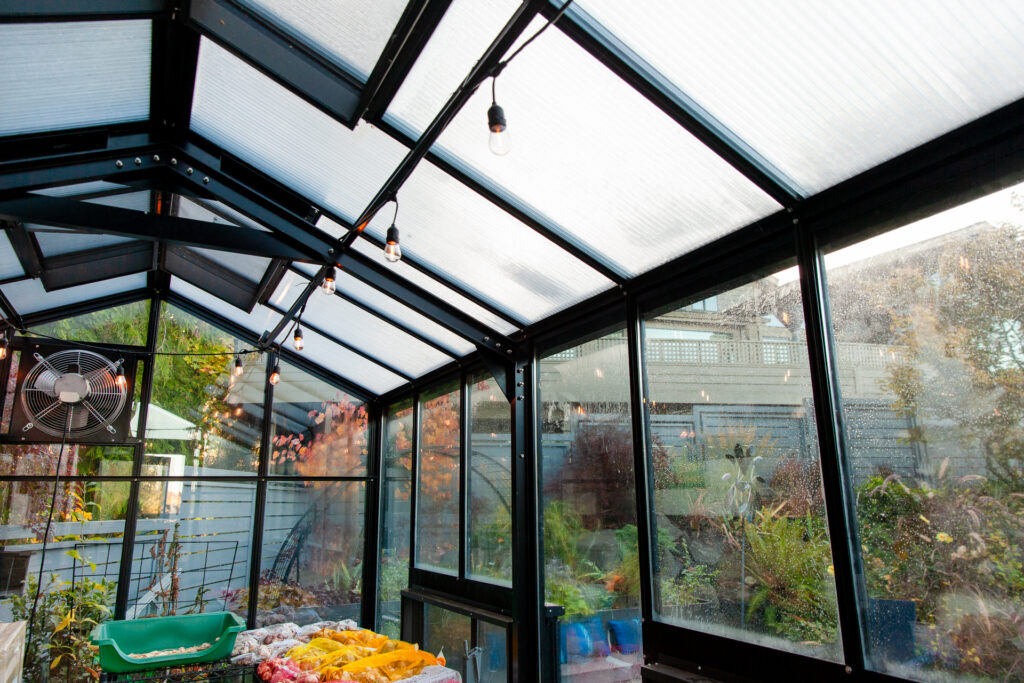
Why Do Seasonal Light Levels Matter More Than Many Beginners Expect?
A greenhouse cannot create sunlight. It can only work with the sunlight available.
This becomes especially important during winter and in cloudy northern climates like here in the Pacific Northwest.
At Charley’s, we’ve found that winter light limitations can often catch first-time greenhouse owners off guard more than winter temperatures themselves.
Even a well-built greenhouse can struggle if it does not receive enough usable sunlight during the darker months of the year.
What affects greenhouse light levels?
Several factors influence how much usable light reaches a greenhouse, including tree cover, nearby buildings, greenhouse orientation, seasonal sun angles, glazing materials, and regional weather patterns.
That’s why greenhouse placement matters so much before installation. A beautiful backyard location is not always the best growing location if winter sunlight is heavily blocked for large portions of the day.
For growers dealing with darker winters, heavily shaded yards, or seed starting season, supplemental grow lighting can also help extend usable growing hours and support healthier plant growth during lower-light periods. Explore Charley’s selection of handy Grow Lights, to give your plants a boost.
Helpful deeper dives:
Is the Cheapest Greenhouse Usually the Best Long-Term Value?
Many experienced greenhouse owners eventually realize that durability, climate performance, and ease of use matter just as much as the initial purchase price.
Lower-cost greenhouses can sometimes require additional reinforcement, earlier replacement parts, more maintenance, or upgrades after installation depending on the climate and growing conditions.
At the same time, a simpler greenhouse may still be the perfect fit for some growers depending on their goals, climate, and how they plan to use the space.
One thing we often tell growers at Charley’s Greenhouse is that the best greenhouse value usually comes from choosing a structure that realistically fits both your climate and your long-term gardening goals.
What should greenhouse buyers compare besides price?
It helps to compare things like warranty, frame strength, glazing durability, insulation performance, expandability, wind and snow ratings, and long-term maintenance needs.
The goal is not necessarily buying the most expensive greenhouse. It’s understanding the tradeoffs clearly before making a long-term investment.
If you are comparing greenhouse options and feeling unsure about where to prioritize your budget, the team at Charley’s is always happy to help talk through the differences between greenhouse materials, glazing types, and structural options based on your climate and growing plans.
Helpful deeper dives:
- Greenhouse Kits vs. Custom Builds: What’s the Difference?
- What Really Drives Greenhouse Price Differences?
Most First-Time Greenhouse Regrets Are Preventable
Almost every greenhouse owner learns new lessons during their first few seasons. That’s completely normal.
But many of the most common greenhouse frustrations are avoidable with thoughtful planning upfront.
Over the years, we’ve seen that growers who spend more time planning ventilation, layout, utilities, and long-term growing goals usually end up enjoying their greenhouse much more season after season.
A well-planned greenhouse is not just easier to grow in. It becomes a more comfortable, flexible, and rewarding space to spend time in for years to come.
And if you are still figuring out the right setup for your space, climate, or growing goals, you do not have to sort through it alone. Our greenhouse experts at Charley’s are always happy to answer questions, talk through ideas, and help you think through the details before you buy.
Whether you are comparing greenhouse styles, deciding between glass and polycarbonate, planning ventilation, figuring out how to balance the hot and cold seasons, or simply wondering how much greenhouse space you really need, we’re here to help you build a setup that fits the way you want to grow.
If you’d like help thinking through your greenhouse plans, reach out to our team and we’ll be happy to help guide you in the right direction.