By the time summer arrives, many greenhouse gardeners are harvesting tomatoes, picking basil, and spending more time managing heat than protecting plants from the cold.
It’s also a common question this time of year: What should I actually be growing in my greenhouse right now?
The answer depends largely on how well a crop handles heat. While some vegetables and herbs thrive in warm greenhouse conditions, others may struggle as temperatures climb. The good news is that summer can be one of the most productive greenhouse seasons of the year when you choose crops that appreciate the extra warmth.
If you’ve been wondering what you can grow in a greenhouse during summer, tomatoes, peppers, eggplant, cucumbers, melons, and many herbs are all excellent choices. Cool-season crops like lettuce, spinach, and cilantro may need extra attention or may be better grown outdoors during the hottest part of the season.
Why Summer Greenhouse Growing Is Different
One of the things gardeners love about greenhouses is their ability to capture and hold warmth. In spring and fall, that’s a major advantage. In summer, conditions inside your greenhouse can become much warmer than the temperature outside.
That extra heat can be a blessing for crops that love warm weather. Tomatoes, peppers, basil, and eggplant often flourish when given plenty of sunshine and warmth.
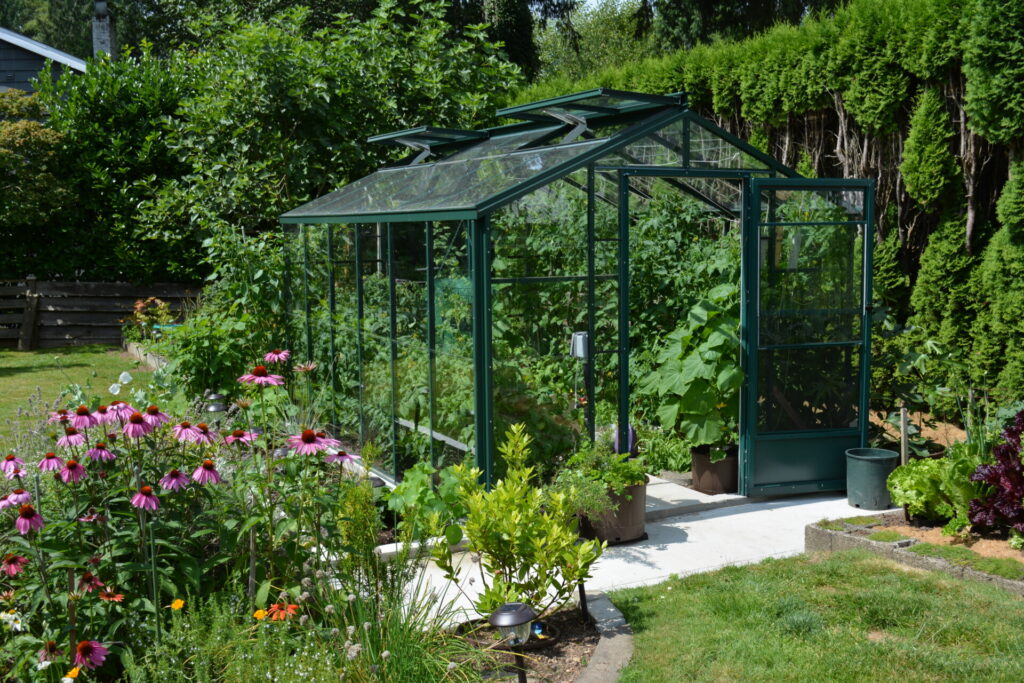
At the same time, summer growing requires a little planning. Good ventilation, airflow, and shading can make the difference between a greenhouse that stays productive and one that becomes uncomfortable for both plants and gardeners.
Vegetables That Thrive in a Summer Greenhouse
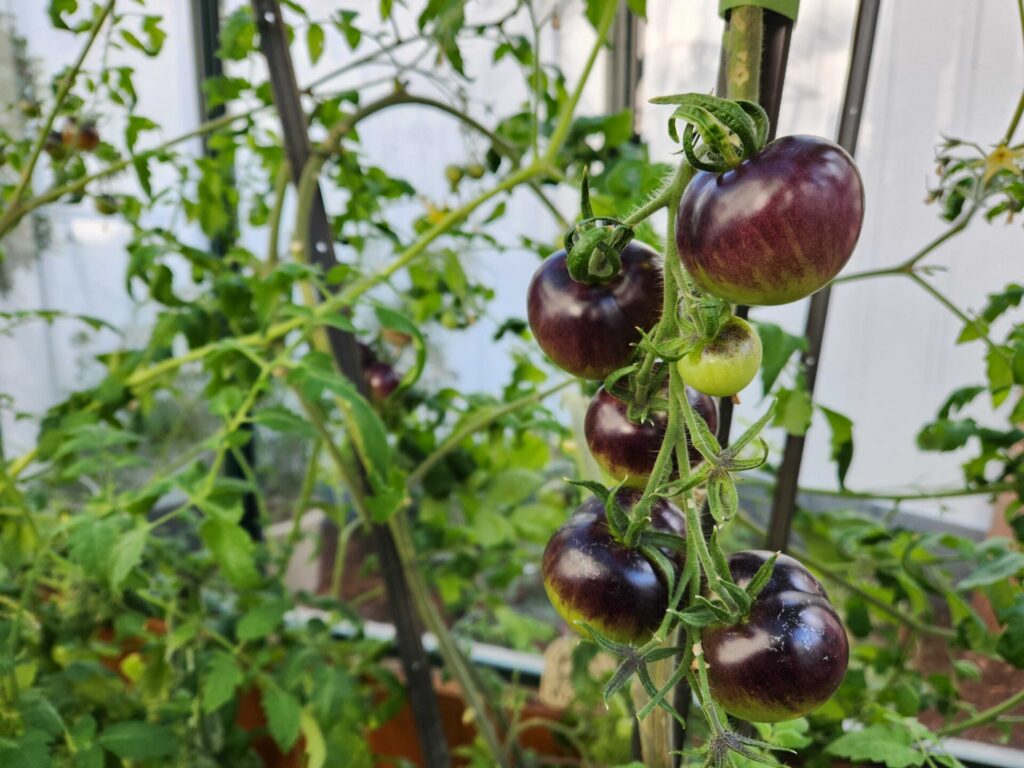
Tomatoes
Tomatoes are one of the most popular greenhouse crops for a reason. They love warmth, appreciate protection from wind and rain, and can continue producing heavily throughout the summer.
Peppers
Peppers may be one of the happiest crops in a summer greenhouse.
Both sweet and hot peppers thrive in warm conditions, and many gardeners notice improved growth and heavier harvests when peppers are grown under cover. If you’re looking for a crop that welcomes the heat, peppers are a great choice.
Eggplant
Eggplant often struggles to reach its full potential in cooler climates, but a greenhouse can provide exactly the conditions it loves.
Warm temperatures encourage vigorous growth, beautiful flowers, and plenty of fruit throughout the season.
Cucumbers
Cucumbers grow quickly during the summer and can produce an impressive harvest when provided with regular watering and good airflow.
Many greenhouse gardeners train cucumbers vertically to save space and improve air circulation around the plants.
Melons
If you’ve always wanted to try growing melons, a greenhouse can give you an advantage. The additional warmth can help fruit ripen more reliably, especially in areas with shorter or cooler summers.
Herbs That Love Summer Greenhouse Heat
Vegetables aren’t the only plants that appreciate warm greenhouse conditions.
Many popular culinary herbs thrive during the summer months, including:
- Basil
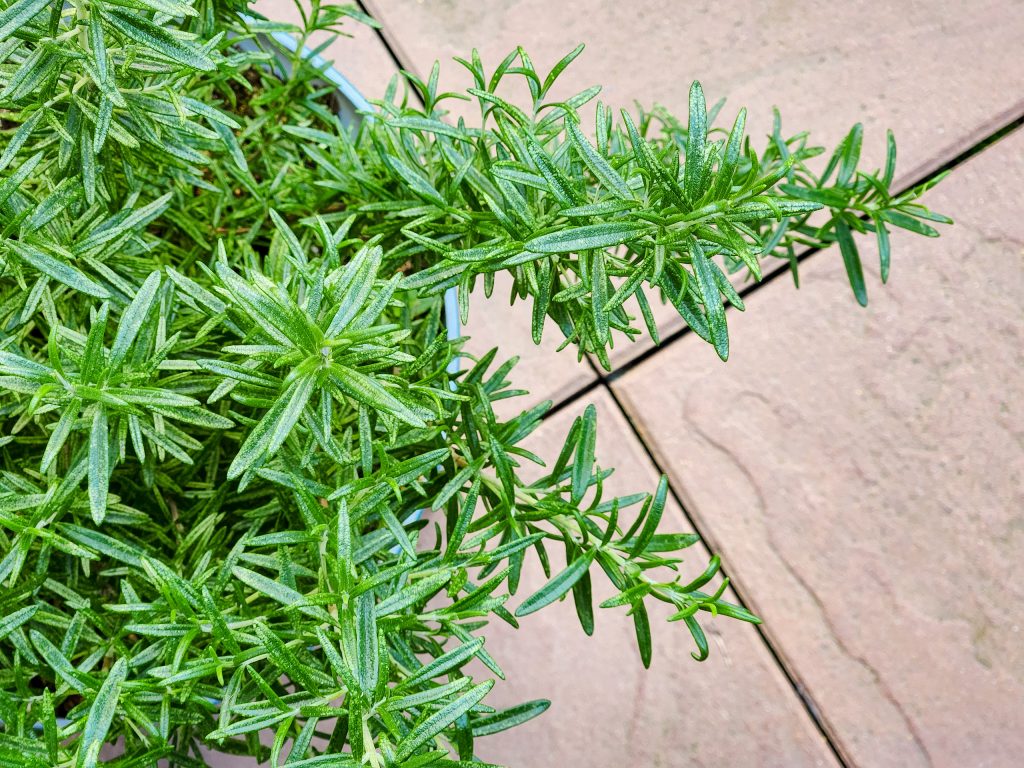
- Rosemary
- Sage
- Oregano
- Thyme
- Lemon Verbena
Basil is often the standout performer. Don’t be surprised if a few plants provide enough leaves for weekly harvests, homemade pesto, and a few bundles to share with neighbors.
Many gardeners also enjoy drying herbs during the summer so they can continue enjoying their harvest throughout the year.
Crops That May Struggle in a Summer Greenhouse
Not every plant appreciates greenhouse heat.
Cool-season crops can become stressed as temperatures climb, especially if ventilation is limited.
Lettuce
Lettuce may bolt quickly during hot weather, causing leaves to become bitter and reducing harvest quality.
Spinach
Spinach prefers cooler temperatures and often struggles during the height of summer.
Cilantro
Anyone who has grown cilantro knows how quickly it can decide it’s finished growing. Warm temperatures often cause it to flower and go to seed sooner than gardeners would like.
Arugula and Other Cool-Season Greens
Many cool-season greens become spicy, bitter, or quick to bolt when exposed to prolonged heat.
That doesn’t mean these crops can’t be grown successfully. They simply tend to perform better during spring, fall, and winter greenhouse seasons.
Starting Fall Crops While Summer Is Still Here
One of the joys of greenhouse gardening is that you’re often thinking a season ahead.
While tomatoes, peppers, and cucumbers are reaching their peak, many gardeners are already starting the next round of crops for fall and winter harvests.
Summer is an excellent time to start:
- Broccoli
- Cabbage
- Cauliflower
These young plants can be started in trays and transplanted as temperatures begin to cool.
A greenhouse makes it easy to keep growing continuously throughout the year rather than treating each season as a separate gardening project.
If you’re looking for new varieties to try, explore Charley’s new Seed Collections featuring vegetables, herbs, flowers, medicinal herbs, pollinator-friendly flowers, and other curated assortments selected for home gardeners.
How to Keep Your Greenhouse Productive During Hot Weather
The best summer crops in the world won’t perform well if temperatures become excessive.
Fortunately, a few simple tools can make a big difference.
Ventilation Comes First
Proper ventilation is one of the most important parts of summer greenhouse gardening.
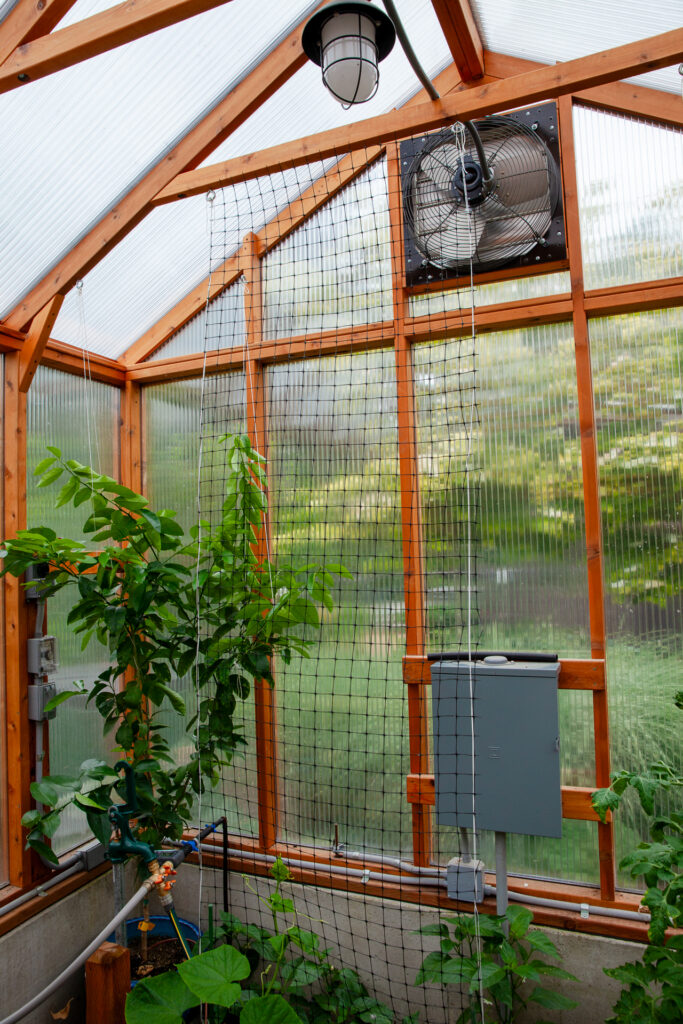
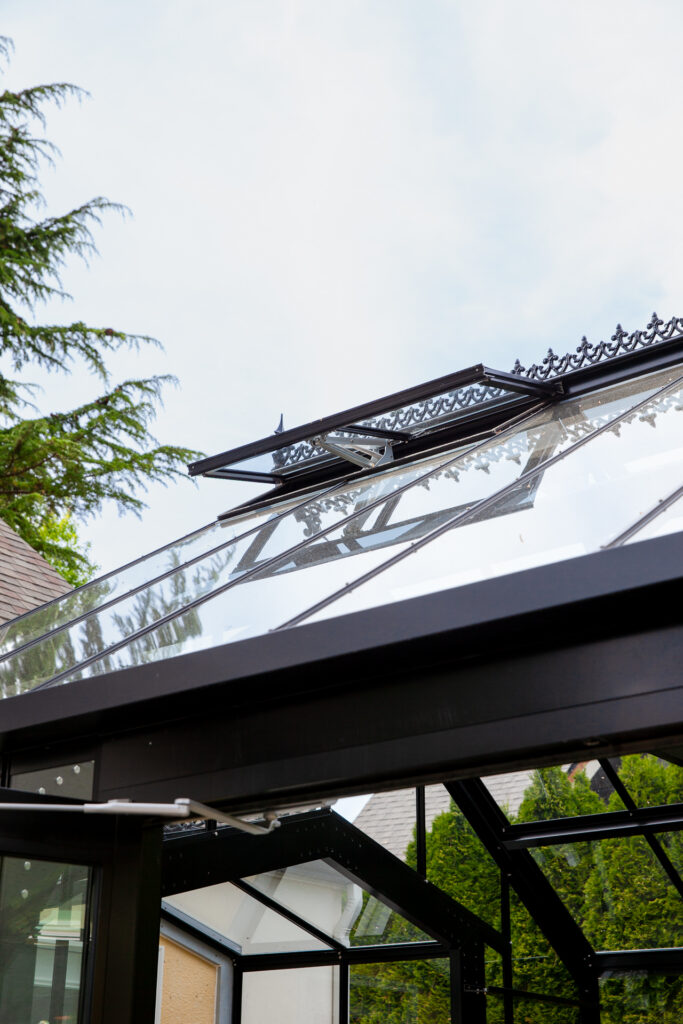
Roof vents, sidewall intake vents, open doors, and exhaust fan systems help release excess heat and allow fresh air to move through the structure.
Automatic Vent Openers Reduce Daily Maintenance
Automatic vent openers can help manage temperature swings throughout the day by opening vents as conditions warm and closing them as temperatures cool.
Many gardeners consider them one of the most valuable greenhouse accessories they own.
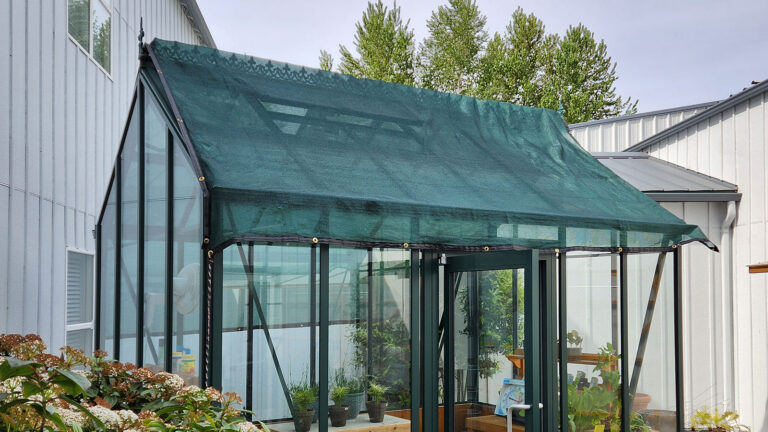
Shade Cloth Helps During Heat Waves
When temperatures rise, shade cloth can help reduce heat stress on plants while creating a more comfortable growing environment.
Air Circulation Supports Plant Health
Circulation fans help keep air moving throughout the greenhouse, reducing stagnant conditions and supporting healthier plant growth.
Every greenhouse is a little different. Depending on your climate, crops, and greenhouse design, you may benefit from additional cooling strategies such as misting systems, evaporative cooling, or seasonal shading. If summer temperatures are a challenge, read up on some of our suggestions in How to Keep Your Greenhouse Cool in Summer: 10 Easy Tips.
Can a Greenhouse Be Too Hot in Summer?
Absolutely.
Even when outdoor temperatures feel comfortable, a greenhouse can heat up surprisingly fast on a sunny afternoon.
Many summer crops are happiest when daytime temperatures remain roughly between 70°F and 85°F. Once temperatures regularly climb above 90°F, some plants may begin showing signs of stress, including slowed growth, blossom drop, or reduced production.
That’s why ventilation, airflow, and shading become so important during the warmest months of the year.
Building a Greenhouse for Summer Growing
If you’re planning a greenhouse, summer performance is something worth thinking about from the beginning.
Features like roof vents, sidewall ventilation, exhaust systems, door placement, greenhouse size, and greenhouse orientation all influence how comfortable and productive your greenhouse will be during warm weather.
At Charley’s, we often encourage gardeners to think about ventilation as carefully as they think about size or appearance. A greenhouse that stays comfortable through the summer is one you’ll enjoy using throughout the year.
Whether you’re planning your first greenhouse or upgrading an existing one, designing for airflow is one of the smartest decisions you can make.
Frequently Asked Questions About Summer Greenhouse Growing
What temperature is too hot for greenhouse plants?
Many plants begin experiencing heat stress when temperatures regularly exceed 90°F, though some crops tolerate heat better than others. Heat-loving crops such as peppers and eggplant can handle warmer conditions, while cool-season crops may struggle much sooner.
Do I need an exhaust fan in my greenhouse?
It depends on your greenhouse size, climate, and ventilation setup. Many hobby greenhouses can be cooled effectively with roof vents, side vents, and good natural airflow. Larger greenhouses, those with limited venting, or those in hotter climates may benefit from an exhaust fan to help remove excess heat and improve air exchange during warm weather.
If your greenhouse regularly struggles to stay cool despite adequate venting, an exhaust fan may be one of the most effective upgrades you can make.
Should I leave my greenhouse door open in summer?
Opening greenhouse doors can improve airflow and help release excess heat. Many gardeners combine open doors with roof vents and circulation fans for even better ventilation. A screen door can be a particularly nice feature to allow venting through the door but still keep rodents, squirrels, and other pests out.
Do tomatoes grow better in a greenhouse during summer?
Tomatoes often perform exceptionally well in a greenhouse because they enjoy warm temperatures and protection from wind and rain. Proper ventilation remains important, especially during periods of extreme heat, to support healthy growth and fruit production.
Do I need shade cloth for my greenhouse?
Shade cloth can be extremely helpful during periods of intense heat or in greenhouses that receive full sun throughout the day. It can help reduce plant stress, lower temperatures, and create a more comfortable growing environment for both plants and gardeners. We recommend most greenhouse setups have one on hand.
Make the Most of Summer Growing
Summer can be one of the most rewarding greenhouse seasons when you grow crops that naturally appreciate the warmth.
Heat-loving vegetables and herbs often thrive, while cool-season crops can be started for future harvests or saved for cooler weather. With thoughtful crop selection, good ventilation, and a little planning for the seasons ahead, your greenhouse can remain productive all summer long.