
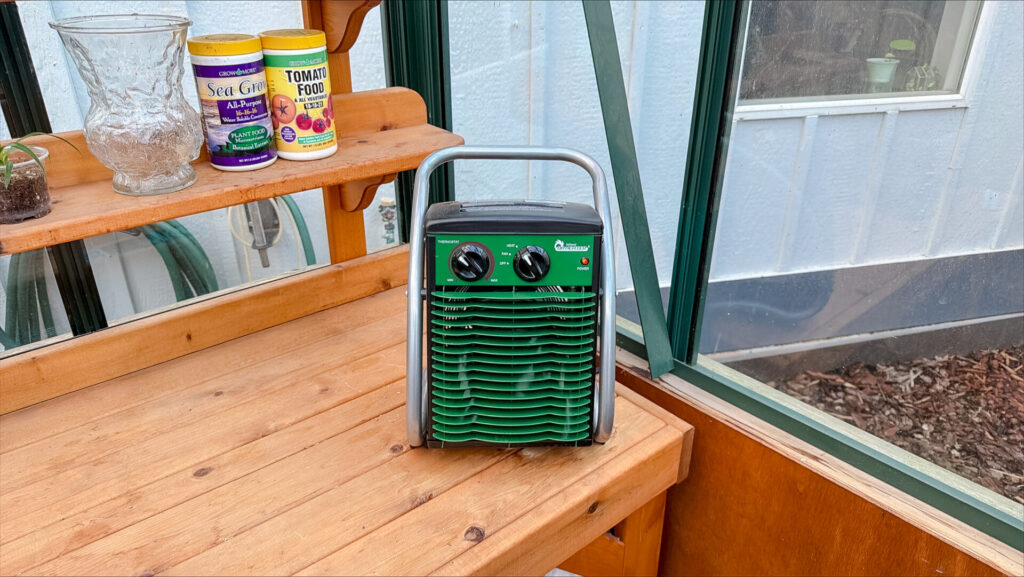
Electric vs Gas, Btu Sizing, and Winter Heating Tips
Winter gardening can be wonderful, as long as your greenhouse stays warm enough for the plants you love. Picking the right heater can feel tricky at first, but a little know-how makes the whole process much easier. Let’s walk through what to think about, how different heaters work, and which options can help you keep a steady, cozy winter growing space.
What to Consider When Choosing a Greenhouse Heater
Every greenhouse is different. Size, glazing, insulation, and even how often you open the door all play a part in how much heat you will need. Before looking at heater models, take a moment to think about your goals for winter gardening. This helps you choose the right type and size without wasting energy.
How Warm Do You Want Your Greenhouse to Be in Winter
Gardeners usually aim for one of three winter temperature ranges.
Cool House
Nighttime temperatures stay in the low to mid forties. This is perfect for overwintering hardy plants and protecting pots from frost.
Warm House
Nights stay in the low fifties, which keeps many herbs and leafy greens growing at a steady pace.
Hot House
Nights stay in the sixties, a happy place for citrus, tropicals, and year round food production.
The warmer the space, the more heating power you need. Glazing type and insulation also affect how much heat your greenhouse can hold overnight.
Electric vs Gas Greenhouse Heaters: Which Is Right for You?
Most gardeners choose between electric heat or gas heat. Both do a fine job, but one will fit your space better than the other.
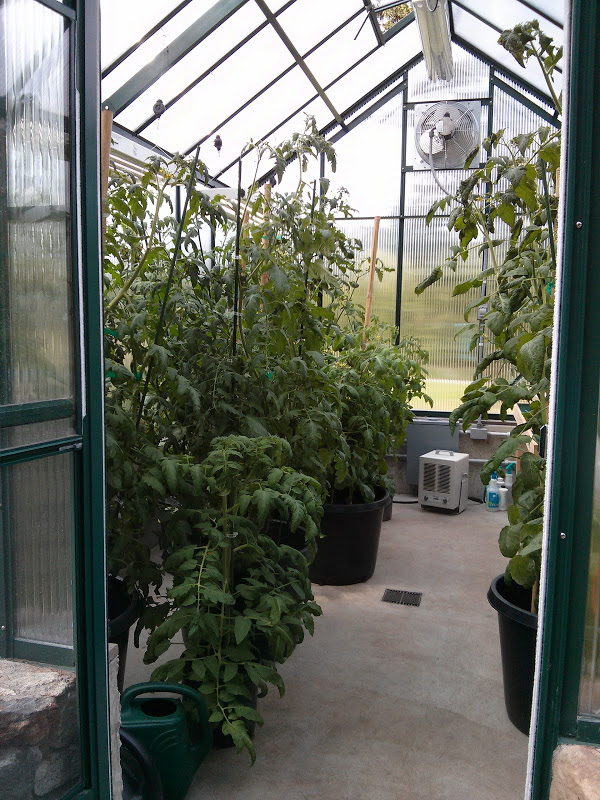
Electric Heaters
Electric heaters are easy to use, clean, and steady. They also pair nicely with thermostats, which helps keep your temperatures consistent. If you already have power in your greenhouse, electric heat is often the simplest place to start.
Charley’s currently offers these electric greenhouse heater models:
120-Volt Heaters
These plug into a standard household outlet and are a great match for smaller spaces or Cool House conditions.
- Charley’s 120-Volt Heater for small greenhouses or Cool House temperatures.
- Portable 120-Volt Heater for quick setup and a friendly price point.
240-Volt Heaters
These require a dedicated 240-volt circuit installed by an electrician. They deliver more heat and recover faster after you open the door in winter.
- Charley’s 240-Volt Heater for mid-sized spaces that need more power.
- 240-Volt Portable Heater when you want strong heat and flexible placement.
- Super Heater Series 2 for big heat needs in larger greenhouses or Hot House conditions.
Electric heat works well if you have a solid power supply and a plan for the voltage that fits your goals.
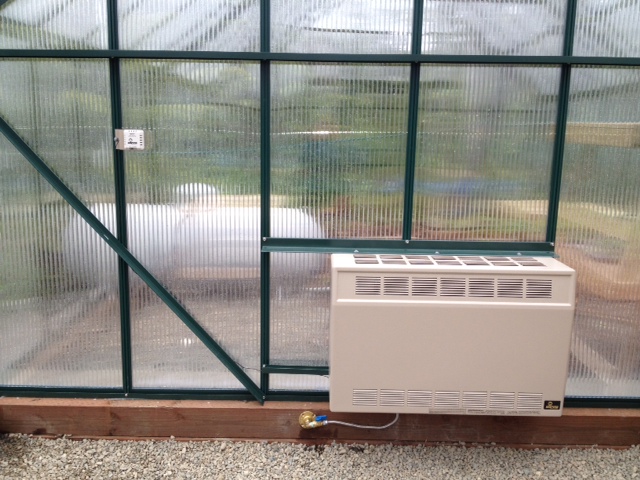
Gas Heaters
Gas heaters shine in larger greenhouses or places where electric service is limited. They produce high Btu output with excellent long term value.
- The Direct Vent Empire Gas Heater gives you strong, dry heat and vents outside, which helps control moisture inside the greenhouse.
A gas unit needs proper venting and professional installation, so plan ahead if this is your preferred route.
Choose a Heater That Is Safe for Greenhouse Conditions
Greenhouses count as damp environments. Humidity and occasional splashes are part of daily life, which means not every space heater is safe to use.
Always choose a heater that is approved for greenhouse or agricultural conditions. These units are sealed and built to handle a moist environment without risk.
All heaters offered by Charley’s fall into this safe category. Household space heaters are not designed for damp areas and should not be used inside a greenhouse.
Understanding 120-Volt vs 240-Volt Greenhouse Heaters
Knowing your voltage helps you choose a heater that fits your space and your winter goals.
120-volt heaters
These plug into a regular outlet and are an easy choice for small greenhouses or gardeners who only need a modest boost in winter. They work well for Cool House temperatures and simple setups.
240-volt heaters
These require a dedicated 240-volt circuit installed by an electrician. They deliver more heat, warm the space faster after the door opens, and are a better match for mid-sized to large greenhouses or gardeners aiming for Warm House or Hot House conditions.
If you are not sure which voltage your greenhouse can support, check your electrical panel or talk with an electrician. Once you know your power situation, choosing between the models becomes much easier.
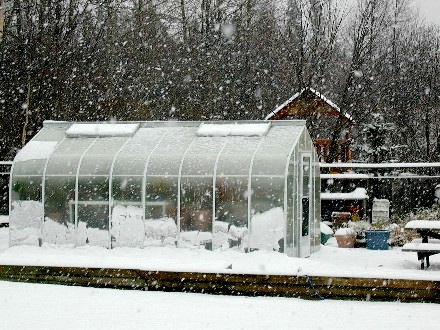
How to Size a Greenhouse Heater Using Btu Requirements
Btu (British Thermal Unit) output tells you how much heat a heater can produce each hour. Picking the right size starts with a simple question: How much heat does your greenhouse lose on the coldest nights of the year? Once you know that, choosing a heater becomes much easier.
A simple way to estimate your Btu needs
If you want a quick calculation to point you in the right direction, you can use this easy formula.
Surface area × Temperature difference × 1.1 = BTUs needed per hour
Here is what each part means:
- Surface area is the total area of your greenhouse’s internal walls and roof.
- Temperature difference is the number of degrees you want to raise the temperature inside compared to the coldest outdoor night.
- The 1.1 helps account for average heat loss through common greenhouse materials.
A friendly example
Imagine your greenhouse has 400 square feet of total surface area. If the coldest winter night in your area is 10°F and you want to keep your plants at 60°F, your temperature difference is 50 degrees.
Plug it in:
400 × 50 × 1.1 = 22,000 BTUs per hour
This gives you a solid starting point when comparing heater sizes.
How insulation changes the numbers
If your greenhouse has double glazing or an inner polyethylene liner, you can subtract about 30 percent from that number because your structure holds heat more efficiently. Lean-to greenhouses that share a wall with a heated building lose even less heat. You can lower the estimate by another 30 percent there.
You don’t have to be exact. This is simply a helpful guide so you don’t undersize your heater or spend more than you need on a model that is too large.
Heat saving tips worth remembering
Small changes can make a big difference in how warm your greenhouse stays.
- Seal drafts and add extra insulation where needed.
- Use a circulating fan to pull warm air down from the roof and reduce heat loss.
- Pair heaters with a Heater Thermostat for steady on and off control.
These simple steps help your heater work more efficiently and keep your winter costs down. Go deeper on Heat Calculation in our related tips article, Heat Calculation Formulas for Your Greenhouse.
The team at Charley’s is happy to do the heating calculations for you so when you are ready, give us a call!
Why Heater Placement and Airflow Matter
Warm air rises, so placing your heater low helps the heat reach your plants instead of the roofline. A small circulating fan can help move warm air through the space and prevent cold corners from forming. This makes your heater work more efficiently.
Portable heaters give you flexibility, while hardwired heaters offer a steady, fixed setup. Both can work well depending on your space.
Common Greenhouse Heating Mistakes to Avoid
A few small missteps can make heating harder and more expensive. Here are some to watch for.
- Using a heater not rated for damp environments
- Relying on extension cords
- Leaving gaps that leak warm air
- Choosing a heater that is too small
- Forgetting to move air through the space
Avoiding these issues helps your greenhouse stay warm without extra energy use.
Greenhouse Heater Options at Charley’s
Here is a quick summary of the heaters mentioned above.
- Charley’s 120-Volt Heater for small spaces and modest heat needs.
- Portable 120-Volt Heater for quick warmth and easy setup.
- Charley’s 240-Volt Heater for steady warmth in mid-sized greenhouses.
- 240-Volt Portable Heater for higher output and flexible placement.
- Super Heater Series 2 for strong heat in larger spaces or Hot House growing.
- Direct Vent Empire Gas Heater for powerful, dry heat in large or insulated greenhouses.
Final Tips for Choosing the Right Greenhouse Heater
Start with your winter goals, then match your heater to your space, voltage, and Btu needs. Seal up gaps, improve insulation where you can, and look for heaters built for greenhouse conditions. With the right setup, you can enjoy healthy plants and a comfortable growing space all winter long.
Need assistance choosing the right heater for your unique greenhouse needs? Charley’s experts are always here to help! Reach out to our team today!