
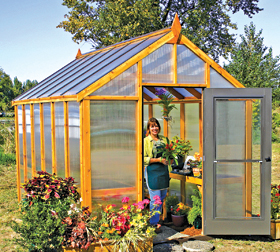
With warmer temperatures and more light intensity, growing in your greenhouse dramatically changes for the better during the next few weeks. Your greenhouse plants thrive and are at their peak under these spring conditions!
Climate Controls
- Ventilation:
Regular ventilation is increasingly important now. Open vents and louvers for increased daytime periods. (See Vent Openers and Air Circulation Fans)
LITE-TITE ZIPPER DOOR 
VENT OPENERS 
AIR CIRCULATION FANS Keep the air inside your greenhouse circulating. This provides a fresh supply of carbon dioxide to plant leaves. It also helps prevent diseases caused by stagnant pockets of air.
- When your location is past the danger of frost, remove bubble insulation or other excess insulation to let in maximum light for best growing.You’ll only need your heater minimally now, but keep it on hand in case of an unexpected harsh frost.
- Start Shading:
Once your insulation is removed, it is time to apply shading in most locations. A general rule is to apply shade on the exterior roof and extend it at least halfway down your south facing glazing.

GREENHOUSE SHADE FABRICS Charley’s carries a wide assortment of shade fabrics.
To pamper your fragile seedlings and rooted cuttings, choose a shady greenhouse location, cover them with shade fabric scraps or even newspaper during the heat of day.
You may want to group your “sun loving” plants like tomatoes and peppers in the sunniest location, and not apply any shading to that area depending on your location.
- Record Temperature Changes:
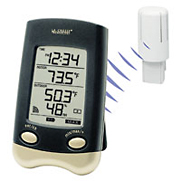
CLIMATE MONITORS
Keep track of your daily low and high temperatures. Greenhouse climate monitors with min-max capabilities make this easier.
It helps you to better evaluate and adjust your greenhouse climate for optimum growing conditions. It’s also helpful information for next year – when to start growing which plants.
Increase Watering & Fertilizing

Your plants will need increased watering and fertilizing now.
Continue to be Alert for Pests
Whitefly, Red Spider Mite and Greenfly are the culprits of the month. Check diligently on the underside of leaves — their favorite breeding place!
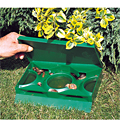
Remember, one slug can kill an entire flat of seedlings in one night. I keep a Slug Hotel on duty under my benches. I’m continually amazed how many slugs come “out of the woodwork” and meet their fate in it!
What to Grow
- Spring flowering daffodils, tulips and other potted bulb plants are now in full, colorful bloom in many regions. As they finish, move them into your season extenders.
- Move over-wintered potted plants outdoors to a sheltered place when danger of frost has past. I use my season extenders for this purpose, as well as to protect early garden transplants.
Vegetables
- March-April is the most common time for sowing bedding plants in the greenhouse for spring gardens. Check your particular seed packets to verify planting time. Finish sowing any plants you haven’t yet – such as runner beans, French beans, celery, squash, pumpkins, and cucumbers.
- Transplant eggplant seedlings started earlier into larger pots.
- Harvest carrots, lettuce, chicory, cress, radish, mushrooms, and other cool crops.
Tomatoes
- Transplant tomatoes started earlier, that are approx. 6″-8″ tall into your greenhouse beds or large pots.
- When flowers open, tap supports occasionally to aid in pollination.
- Harden off any tomatoes that will be planted outside in May.
- Water plants at midday, taking care not to spill water on foliage.
- Pinch out side shoots.
- Fertilize weekly once fruit swells.
Other Fruits
- To hand-pollinate any plants, transfer pollen with a soft brush. For best results, do it at midday for several days in a row.
- Once fruit starts to increase in size, keep plants well watered.
- Sow melon seeds now if you didn’t before. Transplant melon seedlings sown in early spring to your cold frame for hardening off.
- Thin any heavily bearing fruit plants and trees.
- To reactivate grape vines in a cold greenhouse, close the vents and increase watering.
- Harvest strawberries.
Flowering & Other Plants
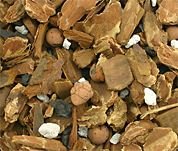
April is a good time to repot greenhouse plants and houseplants. It is also an excellent time to take cuttings.
- Repot Azaleas, Camellias and other shrubs after they’ve flowered.
- Start hanging baskets with cuttings and mature seedlings.
- Increase Hydrangea growth by providing extra water and fertilizer.
- Pinch back Begonias, Camellias and other shrubs after they’ve flowered.
- Take cuttings of Hydrangea, Pelargonium, Fuchsia, Camellia.
- Repot as necessary and harden off half-hardy annuals and bedding plants in readiness to plant outside.
- Repot orchids as needed. Remember most orchids like to be root bound.
- Sow Zinnia, Nemesia, Marigold and any other desired bedding plants not started earlier.
Happy spring in your greenhouse!

alias Mrs. Charley